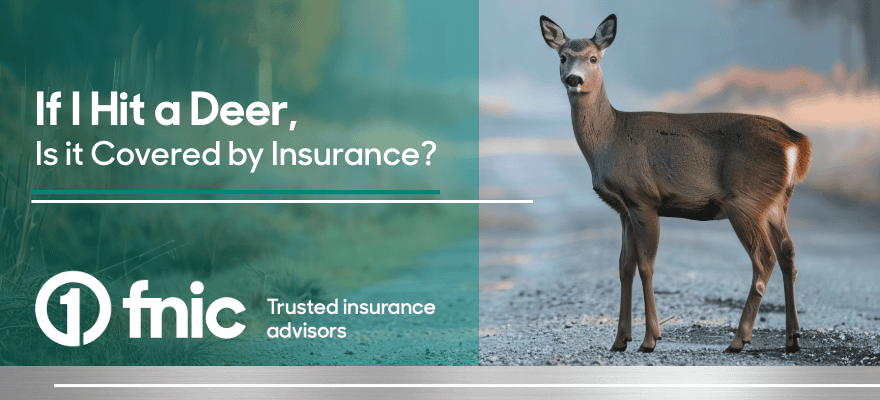
If I Hit a Deer, Is It Covered by Insurance?
If you hit a deer, you’re sadly not alone. The Federal Highway Administration estimates that more than 300,000 wildlife vehicle collisions happen each year. The frequency increases in the fall with more animal activity.
If you find yourself part of that statistic with a damaged vehicle, one of your next questions may be, is this covered by insurance?
The answer is that it can be, if you have comprehensive coverage on the vehicle.
Although the word “collision” is commonly used to describe an accident with a deer, insurance handles it a little differently. Damage from directly hitting a deer or another animal generally falls under comprehensive coverage.
Comprehensive coverage helps pay for damage to your vehicle from events such as theft, vandalism, severe weather, fire, falling objects and hitting an animal. It typically includes a deductible, which is the amount you pay toward a covered claim.
What if You Swerve to Avoid the Deer?
This is where the distinction between comprehensive and collision coverage becomes important.
Consider two situations:
You hit the deer: A deer runs into the road and you strike it. Damage to your vehicle would generally fall under comprehensive coverage.
You miss the deer but hit a guardrail: You swerve to avoid the deer and strike a guardrail instead. Because your vehicle struck another object rather than the animal, damage would generally fall under collision coverage.
Collision coverage helps pay for damage to your vehicle from accidents involving another vehicle or an object, such as a tree or guardrail.
So where does liability coverage fit in?
Liability coverage, which is required by law in most states, helps cover injuries or property damage you cause to others. Comprehensive and collision coverage, on the other hand, help cover damage to your own vehicle.
Comprehensive and collision coverages are generally optional, although a lender or leasing company may require them. That means it’s important to review your policy to understand which coverages you have and what deductibles apply before you need to file a claim.
What Happens After an Animal Collision?
Safety comes first. When possible, pull off the road, turn on your hazard lights and stay away from the animal. An injured or frightened animal can be dangerous. Contact authorities if the animal is blocking traffic or if the accident involves injuries or significant property damage.
Before driving away, check your vehicle for leaking fluids, tire damage, broken lights, loose parts or other damage that could make it unsafe to drive.
This is also a good time to take photos of the vehicle and the scene and report the accident. The insurance carrier can then review the loss and explain the next steps for assessing and repairing the vehicle.
What About Towing or a Rental Car?
The damage from an animal collision is not always limited to a dented bumper. A vehicle may need to be towed, and repairs could leave you without a vehicle for several days or longer.
Two optional coverages may become helpful in this situation: towing or roadside coverage and rental reimbursement.
Towing and roadside assistance can help if your vehicle is damaged or disabled and cannot be safely driven. Depending on the coverage, it may include towing as well as services such as jump starts, flat tire changes, fuel delivery and lockout assistance.
Rental reimbursement coverage can help pay for the cost of a rental vehicle or other temporary transportation while your vehicle is being repaired after a covered claim. Coverage typically includes daily and total limits that determine how much the policy will pay.
Know the Coverage Before It Is Needed
We don’t often think about the difference between comprehensive and collision coverage, but it’s an important distinction during situations like hitting a deer. Reviewing your auto policy before fall’s peak animal collision season can help you understand which coverages are in place, what deductibles apply and whether you have options such as towing, roadside assistance, and rental reimbursement.
We’re here for you if you have questions about your auto coverage. Contact us at fnicgroup.com/contact or at 402-861-7000. We can review your policy and walk through how your coverage may respond after hitting a deer.
Coverage varies by policy and carrier. The examples in this article are for general informational purposes and describe how these coverages typically work. Your insurance agent can help you review the coverage, deductibles and limits included in your policy.